

Introduction
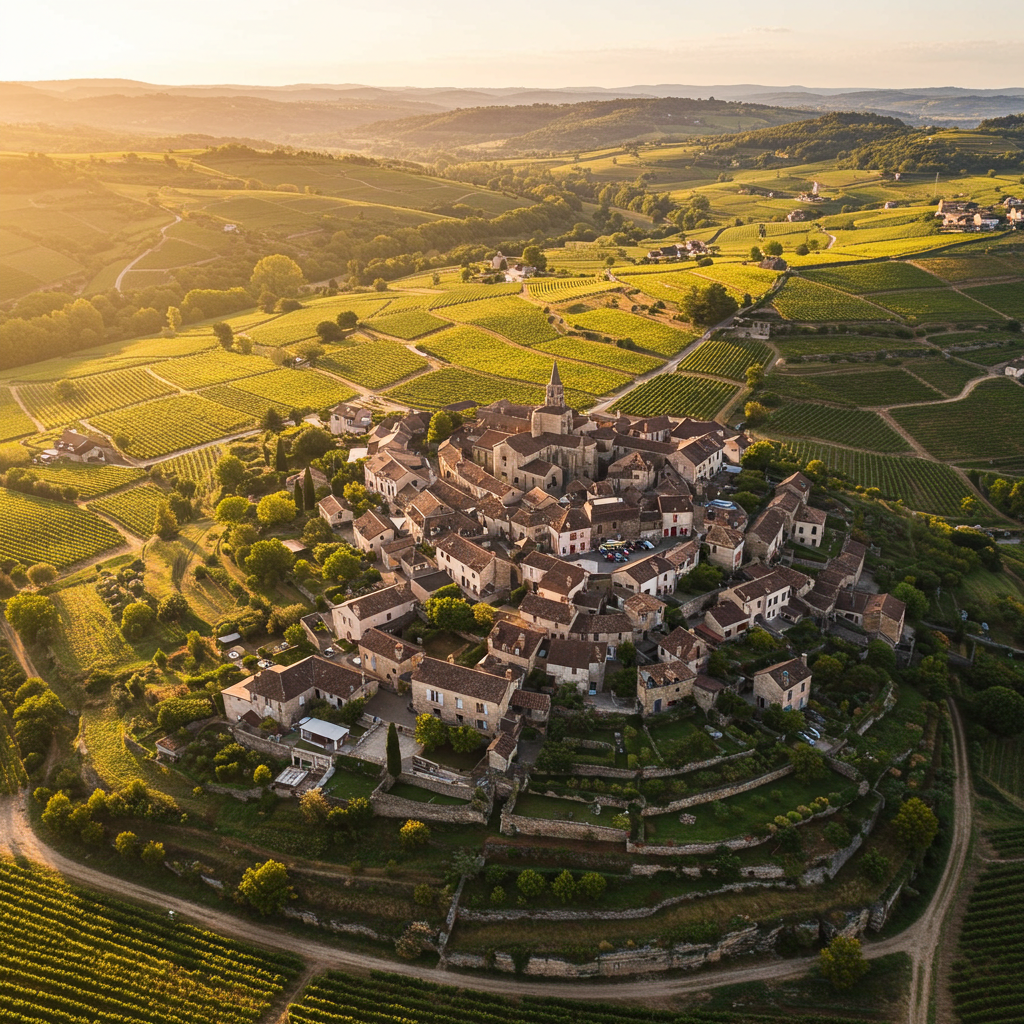
Best hidden places in France offer solo travelers an escape from the crowded tourist circuits of Paris and Nice, revealing a secret side of the country that even seasoned Francophiles rarely discover. Beyond the iconic landmarks lies a France of forgotten medieval villages, pristine mountain lakes, and coastal hideaways that provide the perfect backdrop for independent exploration and personal discovery.
For solo travelers, these best hidden places in France represent the ultimate opportunity to experience authentic French culture without the tourist crowds and inflated prices. Each destination offers unique opportunities for meaningful connections with locals, peaceful contemplation in stunning natural settings, and the kind of serendipitous discoveries that make solo travel so rewarding.
This comprehensive guide unveils 10 extraordinary hidden gems across France, from the mystical forests of Brittany to the sun-drenched villages of Provence that appear on no mainstream tourist itinerary. These best hidden places in France have been carefully selected for their solo-friendly atmosphere, authentic charm, and accessibility for independent travelers. Prepare to discover the France that exists in fairy tales and dreams, where every cobblestone street and vineyard path leads to unforgettable adventures.
1. Colmar’s Little Venice District, Alsace
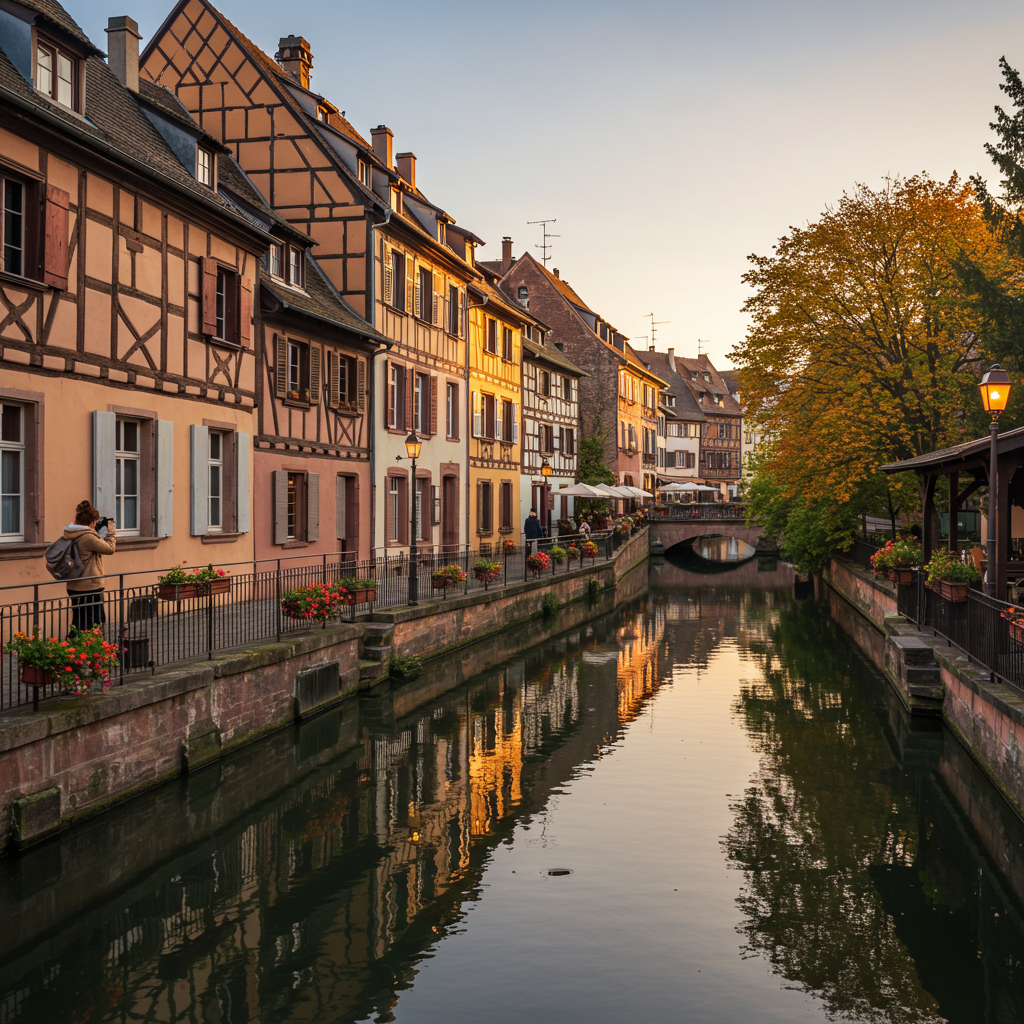
Tucked away in France’s eastern corner, Colmar’s Petite Venise (Little Venice) creates one of Europe’s most enchanting neighborhoods, where medieval half-timbered houses in candy colors reflect perfectly in narrow canals. This fairy-tale district remains surprisingly undiscovered by mass tourism, offering solo travelers an intimate experience with one of France’s most photogenic locations.
Solo travelers will find Little Venice irresistible for its walkable scale and endless photographic opportunities. The network of canals and bridges creates natural stopping points for contemplation and people-watching, while the surrounding wine bars and traditional winstubs (Alsatian taverns) welcome solo diners with hearty regional cuisine and local Riesling wines.
Practical Information: Located in Colmar, 1 hour from Strasbourg by train. Free to explore with paid parking (€1.50/hour) in city center. Book accommodations through Booking.com with options from €60-150/night. Canal boat tours available €7-10 per person.
Best time to visit: April through October for optimal weather and boat tours. December transforms the area into a magical Christmas market destination with fewer crowds than larger cities.
Pro tip: Visit early morning (7-9 AM) for the best light and reflections in the canals, plus you’ll have the bridges and viewpoints to yourself for photography.
Fun fact: The colorful houses were originally built by tanners and fishermen in the 16th century, with each profession designated specific colors to identify their trades from the water.
2. The Lavender Fields of Valensole Plateau, Provence
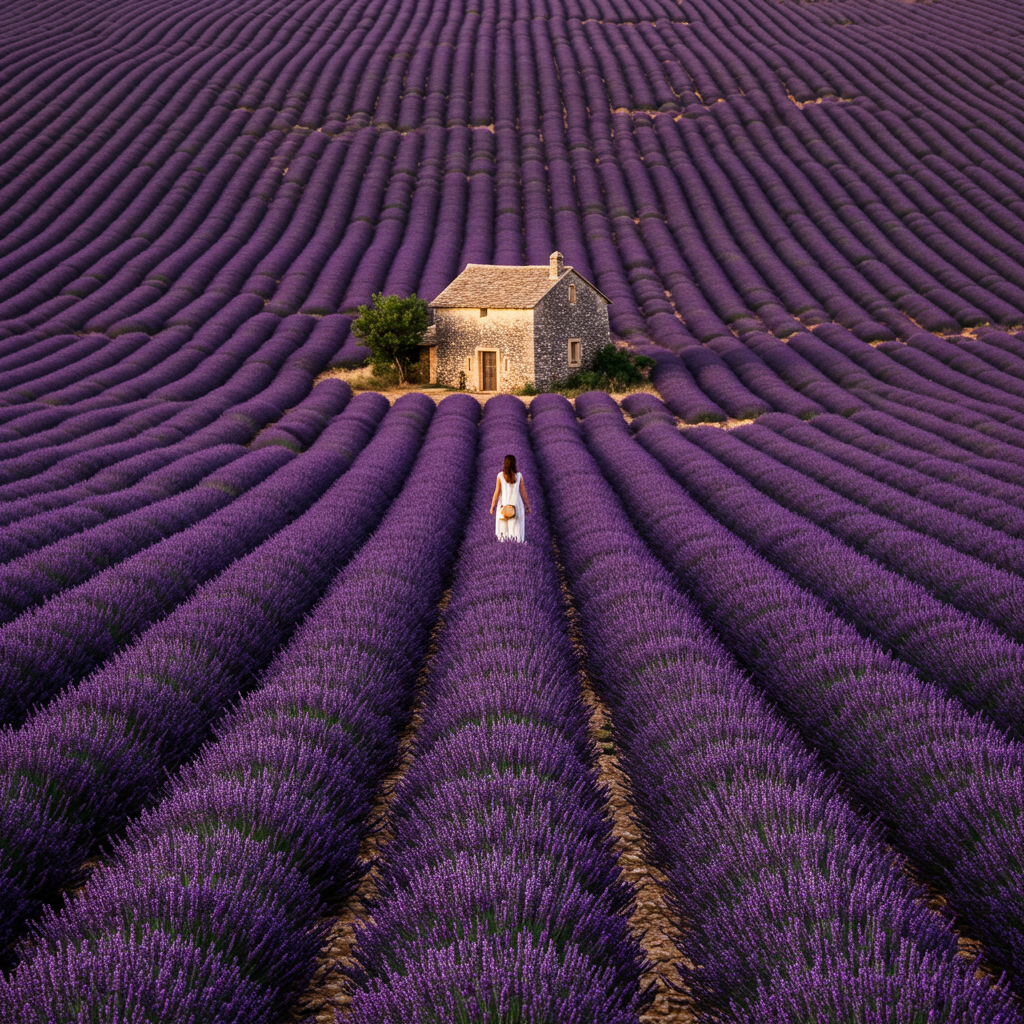
The Valensole Plateau reveals one of Provence’s best-kept secrets: over 800 square kilometers of lavender fields that create a purple carpet stretching to the horizon. Unlike the crowded lavender routes around Gordes, Valensole offers solo travelers vast expanses of fragrant fields with minimal crowds and authentic farm experiences.
What makes Valensole extraordinary for solo exploration is the network of small roads winding through working lavender farms, allowing independent travelers to discover their own perfect viewpoints and photo opportunities. Local farmers welcome visitors, offering insights into lavender cultivation and often selling essential oils and honey directly from their farms.
Practical Information: Located between Manosque and Riez in Provence. Best accessed by rental car from Europcar or similar services. Peak blooming season: mid-June through July. Free field access with farm shops open daily during season.
Don’t miss: The weekly market in Valensole village every Wednesday morning, where local producers sell lavender products, honey, and regional specialties directly to visitors.
Did you know? Valensole produces nearly 15% of France’s lavender essential oil, and the plateau’s unique climate creates some of the world’s highest-quality lavender for perfume production.
3. The Medieval Village of Conques, Aveyron
Image Prompt: “Travel photography of Conques village Aveyron France, showing medieval stone buildings cascading down hillside, solo pilgrim walking ancient cobblestone streets, warm afternoon lighting, professional travel magazine style, Instagram-ready composition”
Image Alt Text: “Conques village Aveyron showing medieval stone architecture and hillside setting”
Perched on a hillside in the Aveyron region, Conques represents one of France’s most perfectly preserved medieval villages, where time seems frozen in the 12th century. This UNESCO World Heritage site along the Camino de Santiago pilgrimage route offers solo travelers an immersive journey into medieval France without the crowds of more famous destinations.
Solo travelers will discover Conques’ intimate scale creates natural opportunities for meaningful encounters with locals and fellow pilgrims from around the world. The village’s famous Romanesque abbey, with its stunning golden tympanum, provides a spiritual centerpiece for contemplation, while narrow cobblestone streets invite hours of exploration and discovery.
Practical Information: Located 40km northwest of Rodez, accessible by regional bus or rental car. Village exploration is free. Accommodation options through TripAdvisor range from pilgrim hostels (€15-25/night) to boutique hotels (€80-150/night). Abbey visits €5 adults.
Pro tip: Stay overnight to experience the village after day visitors leave – the golden hour light on the medieval stones creates magical photographic opportunities.
Bonus: The village’s strategic location makes it an excellent base for exploring the wider Aveyron region, including the dramatic Millau Viaduct and traditional bastide towns.
4. The Wild Coast of Belle-Île-en-Mer, Brittany
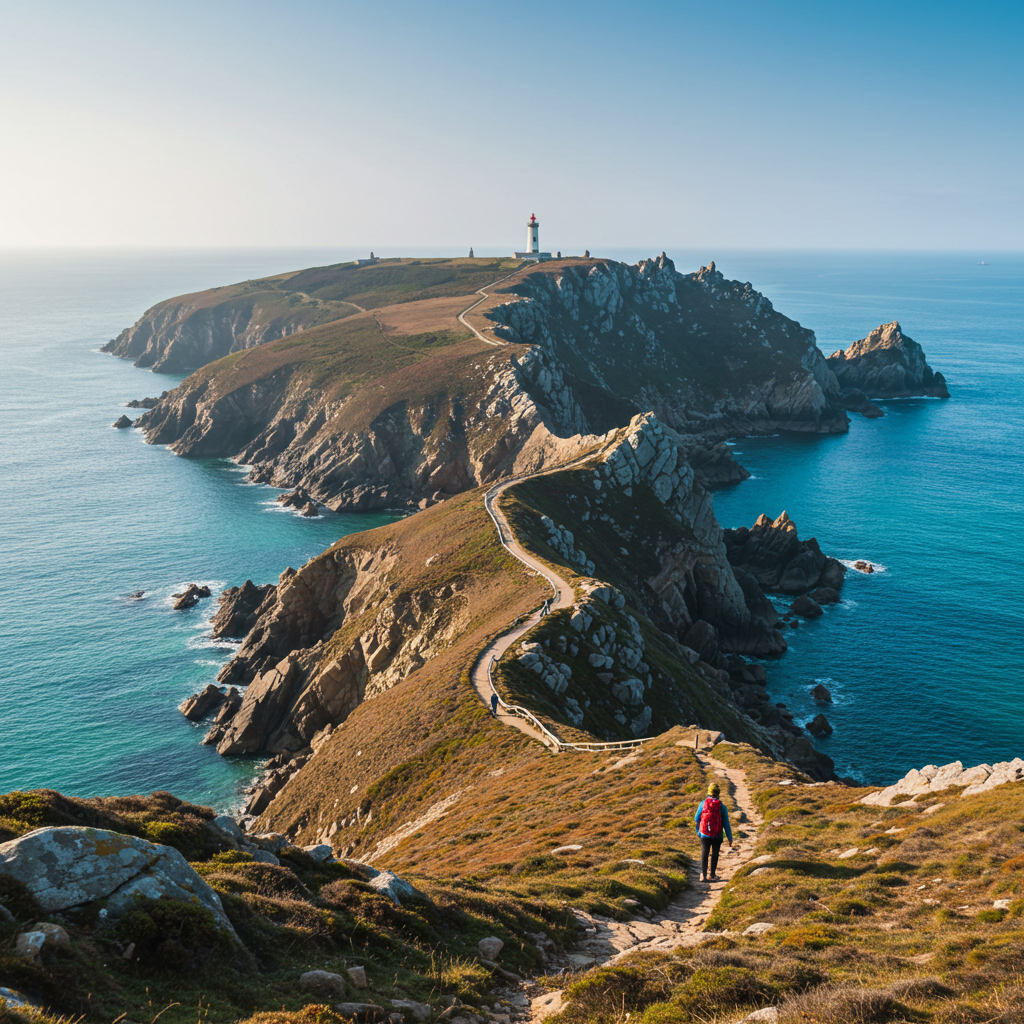
Belle-Île-en-Mer, Brittany’s largest island, harbors some of France’s most dramatic coastal scenery yet remains largely unknown to international visitors. This rugged Atlantic island offers solo travelers 90 kilometers of coastal hiking paths, secluded beaches, and authentic Breton culture far from mainland tourist pressures.
The island’s compact size (20km long) makes it perfect for solo exploration by bike or on foot, while the strong local identity creates opportunities for cultural immersion. Solo travelers can easily connect with local fishermen, artists, and seasonal visitors who share the island’s wild beauty and independent spirit.
Practical Information: Ferry service from Quiberon takes 45 minutes (€35-45 return). Island bike rentals available €12-15/day. Weather conditions via Weather.com. Accommodation ranges from campsites (€10-15/night) to seaside hotels (€70-200/night).
Best time to visit: May through September for optimal ferry schedules and weather. October offers dramatic storms and fewer visitors for adventurous solo travelers.
Fun fact: Belle-Île inspired Claude Monet’s famous series of paintings, and you can still visit the exact locations where he painted his masterpieces along the Côte Sauvage.
5. The Thermal Springs of Chaudes-Aigues, Cantal
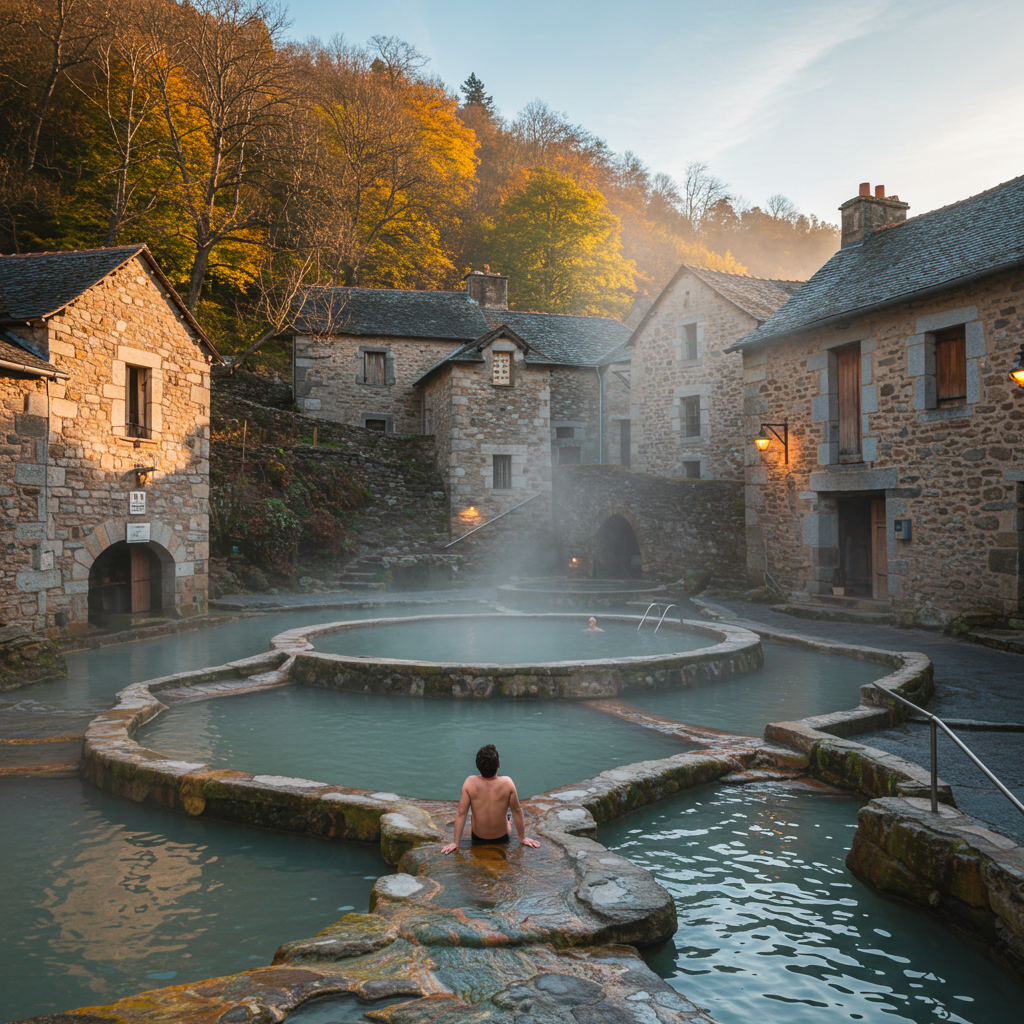
Hidden in the volcanic landscape of Cantal, Chaudes-Aigues boasts Europe’s hottest natural hot springs, reaching temperatures of 82°C (180°F). This medieval village, whose name literally means “hot waters,” offers solo travelers an authentic thermal spa experience without the commercialization of famous resort destinations.
Solo travelers will appreciate the village’s intimate atmosphere and therapeutic focus, where local traditions of thermal healing continue unchanged for centuries. The natural hot springs provide perfect opportunities for relaxation and wellness, while the surrounding Aubrac plateau offers excellent hiking and natural discovery.
Practical Information: Located in Cantal, 2 hours from Clermont-Ferrand. Thermal spa treatments €15-45 per session. Village exploration free. Book thermal treatments in advance during peak seasons.
Don’t miss: The Geothermal Museum explaining the village’s unique heating system – the world’s first geothermal district heating, operational since the 14th century.
Did you know? Chaudes-Aigues has been continuously heated by its natural hot springs for over 700 years, making it one of the world’s earliest examples of renewable energy use.
6. The Gorges du Verdon Secret Viewpoints, Provence-Alpes
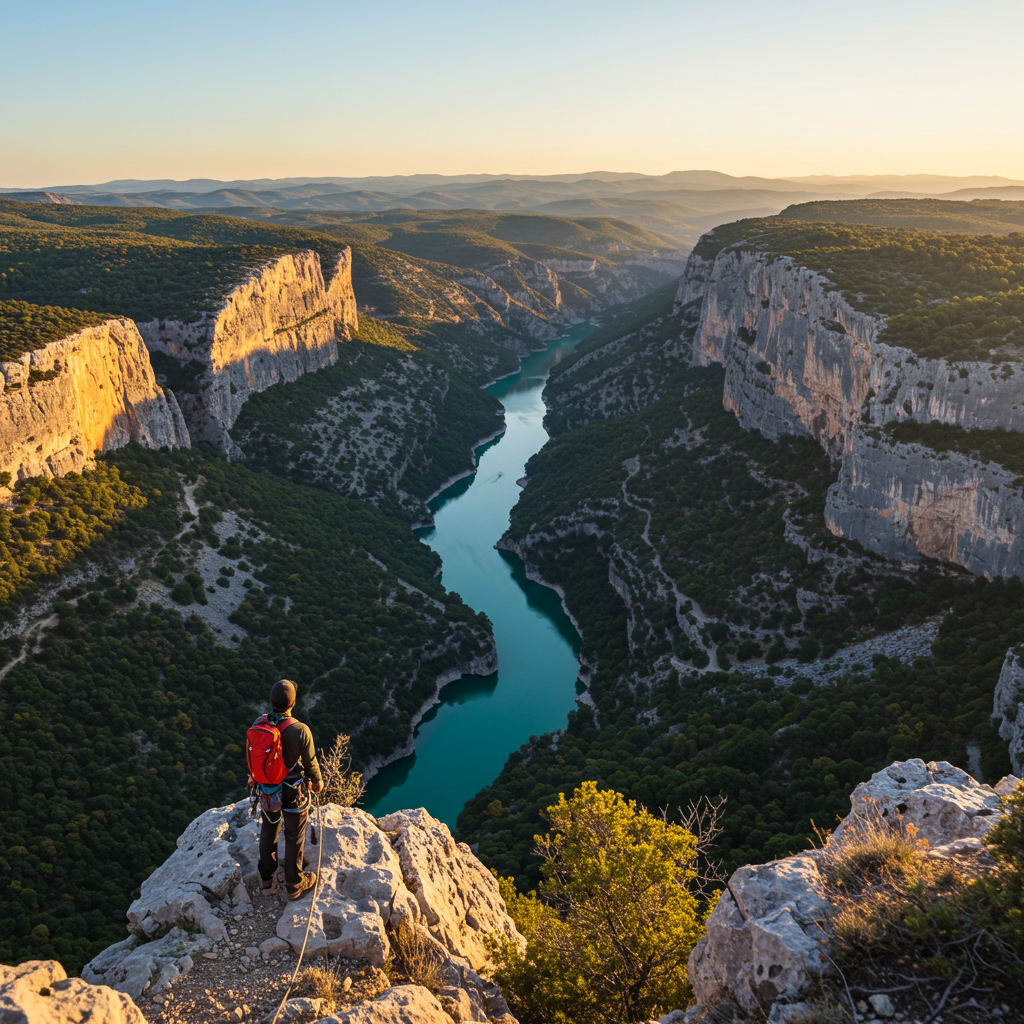
Beyond the crowded main viewpoints of Europe’s “Grand Canyon,” the Gorges du Verdon harbors secret overlooks and hidden trails accessible only to adventurous solo travelers willing to explore beyond the tour bus routes. These lesser-known vantage points offer more dramatic views and peaceful solitude for contemplating one of France’s most spectacular natural wonders.
Solo adventurers will discover that the gorge’s network of hiking trails and climbing routes creates opportunities for both gentle walks and challenging adventures. The constantly changing light on the turquoise Verdon River and white limestone cliffs provides endless photographic inspiration throughout the day.
Practical Information: Access via D952 scenic route. Parking at lesser-known trailheads often free. Hiking maps available through IGN France. Accommodation in nearby villages like Moustiers-Sainte-Marie or Castellane (€50-120/night).
Pro tip: The Sentier Martel trail offers the most spectacular but challenging gorge-bottom hiking experience – start early and bring plenty of water for this 6-hour adventure.
Bonus: The area offers excellent rock climbing opportunities for experienced climbers, with routes suitable for all levels and stunning positions high above the gorge.
7. The Floating Gardens of Amiens Hortillonnages, Picardy
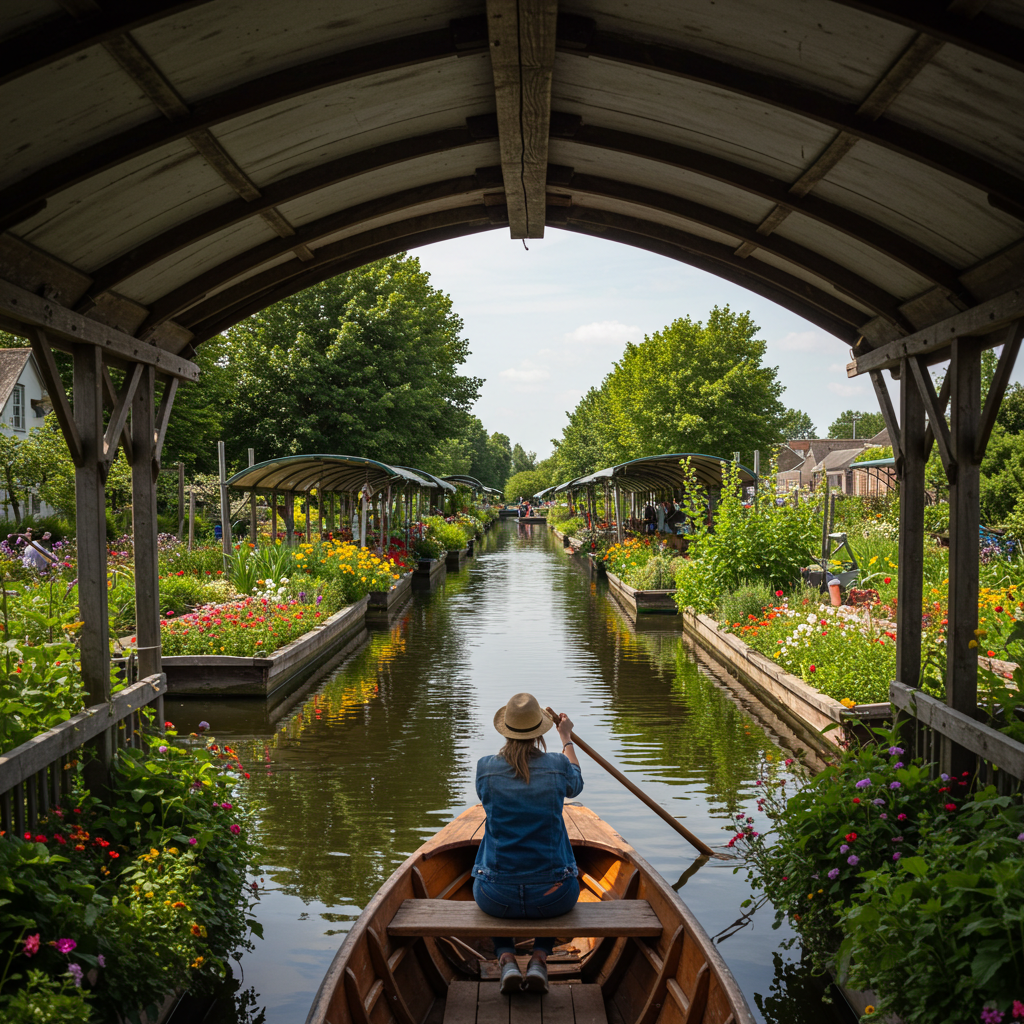
The Hortillonnages of Amiens create one of France’s most unique landscapes: 300 hectares of floating market gardens accessed only by traditional punt boats through a network of canals and waterways. This living heritage site offers solo travelers an otherworldly experience just 90 minutes from Paris, yet completely unknown to most visitors.
Solo travelers will find the guided punt boat tours (or self-guided kayak rentals) perfect for peaceful contemplation and unique photography opportunities. The working gardens, maintained by local families for over 1,000 years, provide insights into sustainable agriculture and French rural traditions rarely visible to outsiders.
Practical Information: Located in Amiens, 90 minutes from Paris by train. Punt boat tours €6-8 per person, operating April through October. Kayak rentals available €15-20/day. Train tickets via SNCF.
Best time to visit: Late spring through early fall when gardens are most productive. Early morning tours offer the best light and fewer crowds for photography.
Fun fact: The Hortillonnages system has operated continuously for over 1,000 years, representing one of the world’s oldest examples of intensive urban agriculture.
8. The Fortified Village of Pérouges, Ain
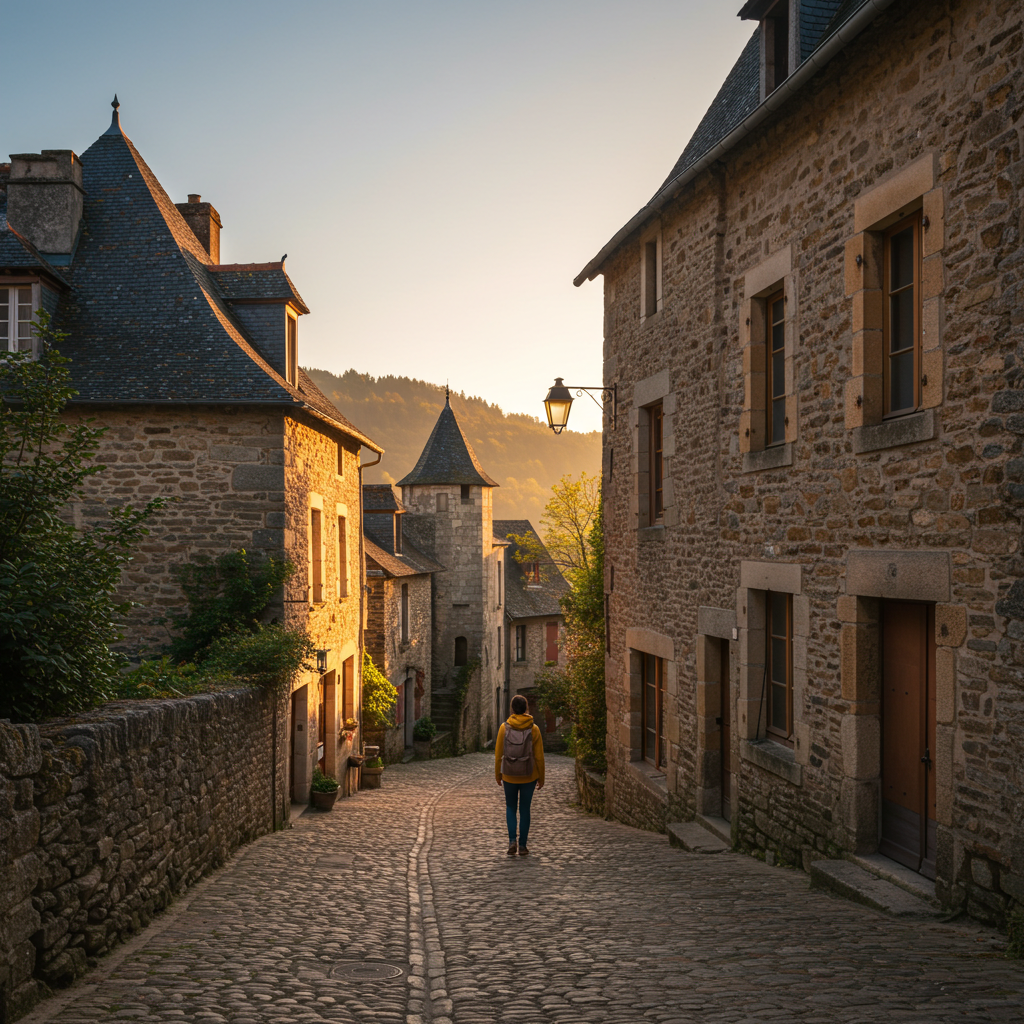
Pérouges represents one of France’s best-preserved medieval fortified villages, where every cobblestone and timber beam tells stories of 13th-century life. This remarkable village, perched on a hilltop 30km from Lyon, offers solo travelers an immersive medieval experience without modern intrusions or tourist commercialization.
The village’s authentic preservation creates natural opportunities for historical imagination and photography, while its small scale ensures intimate encounters with local artisans and the few residents who maintain this living museum. Solo travelers will appreciate the peaceful atmosphere and the sense of stepping back in time.
Practical Information: Located 30km northeast of Lyon, accessible by regional bus or rental car. Village entry €5 adults. Guided tours available €8 per person. Accommodation in nearby Meximieux (€60-100/night).
Don’t miss: The famous galette de Pérouges, a traditional sugar tart served at the medieval inn that has been operating since the 13th century.
Did you know? Pérouges has served as a film set for numerous historical movies, including “The Three Musketeers” and “Monsieur Vincent,” thanks to its perfectly preserved medieval atmosphere.
9. The Pink Granite Coast Hidden Coves, Brittany
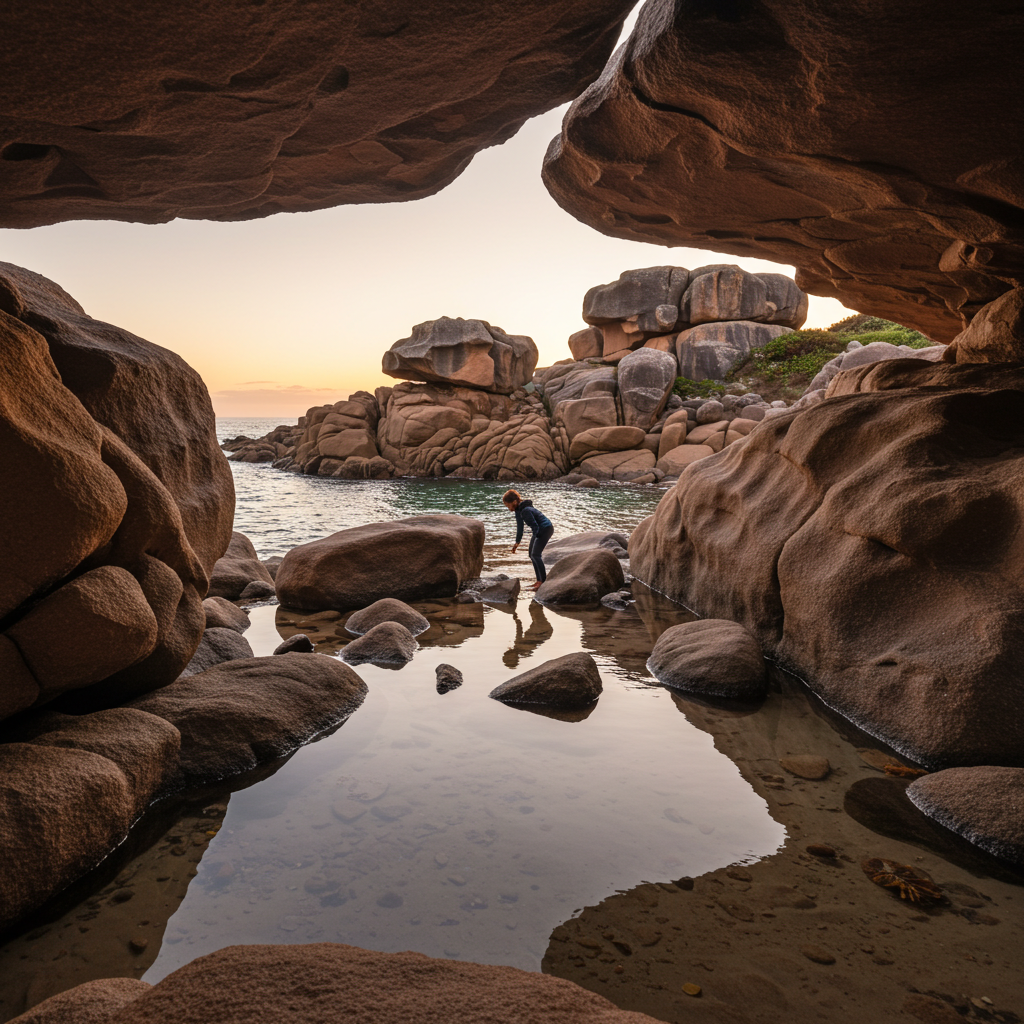
Beyond the well-known sites along Brittany’s Côte de Granit Rose lie secret coves and hidden beaches accessible only by coastal footpaths and local knowledge. These pristine locations offer solo travelers intimate encounters with one of the world’s most unusual coastal landscapes, where rose-colored granite creates natural sculptures of extraordinary beauty.
Solo adventurers will discover that the coastal hiking trail (GR34) connects dozens of hidden beaches and viewpoints, each offering unique granite formations and opportunities for solitude. The constantly changing tides reveal different aspects of these geological wonders throughout the day.
Practical Information: Access via coastal path from Perros-Guirec or Trégastel. Parking available at main trailheads (€2-5/day). Tide times essential for beach access. Accommodation in coastal villages (€50-150/night).
Pro tip: Visit during the golden hour (sunrise or sunset) when the pink granite glows most dramatically, and low tide exposes the most interesting rock formations.
Fun fact: The pink granite formations were created 300 million years ago and are found in only three places on Earth: Brittany, China, and Corsica.
10. The Plateau de Beille Cross-Country Skiing Paradise, Ariège
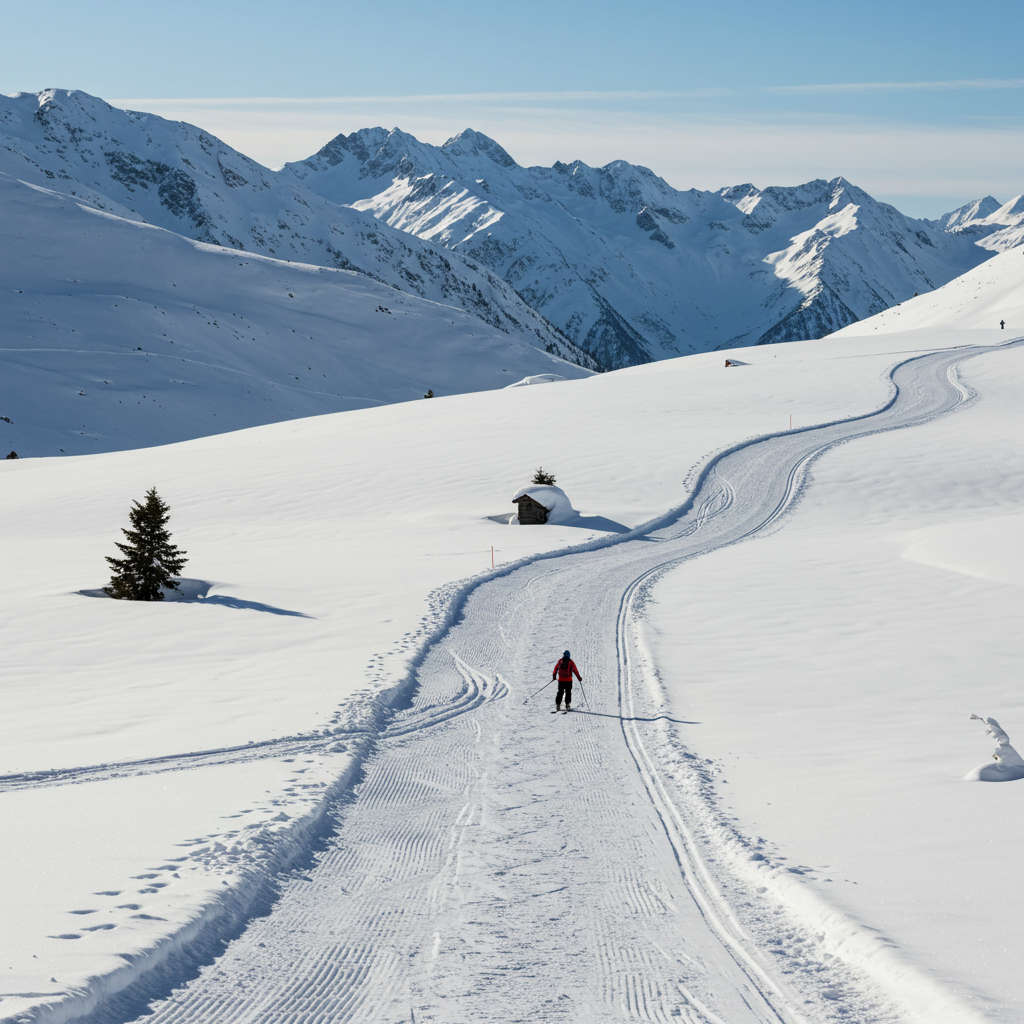
High in the Ariège Pyrenees, the Plateau de Beille offers one of France’s most pristine cross-country skiing experiences, far from the crowded Alpine resorts. This Nordic skiing paradise provides solo travelers with over 50 kilometers of groomed trails across a stunning high-altitude plateau, surrounded by peaks reaching 3,000 meters.
Solo skiers will appreciate the plateau’s welcoming atmosphere and excellent trail system suitable for all levels. The family-run facilities maintain an authentic mountain experience, while the dramatic Pyrenean scenery provides constant inspiration for winter adventure and photography.
Practical Information: Located 1.5 hours from Toulouse, accessible by car (snow chains required in winter). Daily ski passes €12-15. Equipment rental €15-20/day. Snow conditions via Météo-France. Mountain refuges available €25-45/night.
Best time to visit: December through March for optimal snow conditions. The plateau offers summer hiking and mountain biking when snow-free.
Bonus: The plateau’s high altitude (1,800m) and clear skies create excellent conditions for stargazing and astrophotography during clear winter nights.
Why Best Hidden Places in France Deserve Your Attention
The best hidden places in France offer experiences impossible to replicate at mainstream tourist destinations, providing solo travelers with authentic cultural encounters, pristine natural beauty, and the satisfaction of genuine discovery. According to Atout France, these lesser-known destinations receive less than 5% of international visitors compared to major cities, yet offer equally spectacular experiences with greater opportunities for personal connection and cultural immersion.
These best hidden places in France preserve authentic French regional cultures that have remained largely unchanged for centuries. From the Germanic influences of Alsace to the Celtic traditions of Brittany, each region offers distinct languages, cuisines, architectural styles, and customs that provide solo travelers with deeper understanding of France’s remarkable diversity. The absence of mass tourism means local residents have time and interest in sharing their heritage with curious visitors.
Furthermore, visiting the best hidden places in France supports sustainable tourism practices and local economies often overlooked by mainstream travel. These destinations typically offer better value for accommodation and dining while providing more meaningful interactions with local communities. Solo travelers become cultural ambassadors, helping preserve these remarkable places through responsible tourism that benefits residents while maintaining the authentic character that makes them special.
Complete Guide to Best Hidden Places in France Planning
Planning successful adventures to the best hidden places in France requires different strategies than conventional tourist destinations. These locations often have limited accommodation options and seasonal access restrictions, making advance planning essential for solo travelers. Begin your planning process 2-3 months ahead, particularly for summer travel when rural accommodations fill quickly.
Transportation to hidden destinations typically requires rental cars, as public transport service may be limited or seasonal. Compare rental prices through Kayak or Europcar and consider fuel costs and toll charges when budgeting. Many hidden locations require driving on narrow rural roads or mountain passes, so ensure comfort with European driving conditions and GPS navigation.
Accommodation options range from historic villages inns to mountain refuges and camping. Booking.com covers most commercial options, while Airbnb often provides unique stays in restored historic properties. For mountain destinations and pilgrim routes, consider traditional refuges that offer authentic experiences and opportunities to meet fellow travelers. Book early for peak seasons and confirm seasonal opening dates.
Budget planning should account for higher fuel costs, potential toll charges, and limited dining options in remote areas. However, many hidden destinations offer free access to natural attractions and hiking trails, while local markets and regional specialties often provide excellent value compared to tourist-focused areas. [Link to: Budget Travel Guide France]
Best Hidden Places in France by Season: When to Visit
Understanding seasonal patterns for the best hidden places in France ensures optimal timing for weather, accessibility, and local activities. Each season offers unique advantages depending on your interests and the specific destinations you plan to explore.
Spring (March-May) provides ideal conditions for most hidden destinations, with comfortable temperatures, blooming landscapes, and reopening seasonal services. Lavender fields begin their growing cycle, medieval villages emerge from winter quiet, and coastal paths become accessible after winter storms. However, mountain locations may still have snow, and some accommodations remain closed until Easter.
Summer (June-August) offers peak access to all destinations, with the warmest weather and longest daylight hours. Lavender blooming peaks in June-July, mountain hiking conditions are optimal, and coastal destinations provide perfect beach weather. This period also brings the highest accommodation prices and most crowds, though hidden locations remain significantly less busy than major tourist sites.
Fall (September-November) presents excellent opportunities for photography and comfortable hiking, with harvest seasons in wine regions and dramatic autumn colors in forested areas. Many destinations offer their best weather during early fall, while accommodation prices decrease after summer peak season. Check weather patterns via Weather.com for specific regional conditions.
Winter (December-February) creates unique opportunities for destinations like Plateau de Beille for winter sports, while thermal springs like Chaudes-Aigues offer cozy retreats. Some coastal locations provide dramatic storm-watching opportunities, though access to mountain areas may be limited by snow conditions. [Link to: Seasonal Travel Planning Guide]
Conclusion
These best hidden places in France reveal a country far more diverse and magical than the typical tourist trail suggests, offering solo travelers authentic experiences that connect deeply with French culture, history, and natural beauty. From medieval villages frozen in time to pristine mountain plateaus and secret coastal coves, each destination provides unique opportunities for personal discovery and meaningful travel memories.
The best hidden places in France reward adventurous solo travelers with experiences impossible to replicate at mainstream destinations: intimate conversations with local artisans, peaceful moments in spectacular natural settings, and the deep satisfaction of discovering places that exist largely outside the conventional tourism industry. These destinations offer better value, more authentic cultural encounters, and the kind of serendipitous discoveries that make solo travel so transformative.
Your journey to discover the best hidden places in France begins with choosing destinations that resonate with your personal interests and travel style. Whether you’re drawn to historical sites, natural wonders, or cultural immersion, these secret gems provide the perfect backdrop for independent exploration and personal growth. Start planning your French adventure today and prepare to discover why the country’s best-kept secrets often provide its most memorable experiences.
[Link to: Complete France Travel Planning Guide]
FAQ Section
Q: What are the best hidden places in France for first-time solo travelers? A: For beginners, start with easily accessible destinations like Colmar’s Little Venice or the medieval village of Pérouges, both offering excellent infrastructure while maintaining authentic charm. These locations provide safe, walkable environments with good accommodation options and English-speaking services when needed. Build confidence with these easier destinations before attempting more remote locations like Belle-Île-en-Mer or Plateau de Beille.
Q: How much should I budget for visiting best hidden places in France? A: Daily budgets range from €60-150 depending on accommodation choices and activities. Hidden destinations often offer better value than major cities, with rural guesthouses (€40-80/night), local restaurants (€15-25/meal), and free access to natural attractions. Factor in higher transportation costs for rental cars and fuel, but expect significant savings on accommodation and dining compared to Paris or Nice. Currency conversion via XE.com.
Q: Are the best hidden places in France safe for solo female travelers? A: France’s hidden destinations are generally very safe for solo female travelers, often safer than major cities due to strong local communities and lower crime rates. Rural areas maintain traditional values of hospitality and safety. However, inform someone of your travel plans, especially for remote hiking or mountain destinations. Trust your instincts and choose accommodations with good reviews from fellow solo travelers.
Q: Do I need to speak French to enjoy these best hidden places in France? A: Basic French phrases significantly enhance your experience, as hidden destinations have fewer English speakers than major tourist areas. Download translation apps like Google Translate for offline use. However, French people appreciate any effort to speak their language and are generally patient and helpful with visitors. Consider learning essential phrases for directions, food ordering, and emergencies before your trip.
Q: What’s the best way to get around when visiting best hidden places in France? A: Rental cars provide the most flexibility for reaching hidden destinations, as public transport is often limited in rural areas. Book vehicles through major companies and ensure GPS navigation capabilities. Some destinations like Amiens Hortillonnages or Belle-Île-en-Mer require specialized transport (boats, ferries) that adds to the adventure. Plan transportation carefully as part of your overall itinerary.
Q: When is the best time to visit multiple best hidden places in France in one trip? A: Late spring (May-June) and early fall (September-October) offer optimal conditions for multi-destination trips, with comfortable weather, accessible roads, and open accommodations. Plan 2-3 days per destination to fully appreciate each location without rushing. Consider geographical clustering – combine Alsace destinations, or focus on Brittany coastal areas, rather than attempting to cross the entire country.
Q: How can I find accommodations in these best hidden places in France? A: Book well in advance through Booking.com or Airbnb, as rural areas have limited options that fill quickly. Consider unique stays like converted monasteries, historic inns, or mountain refuges for authentic experiences. Contact local tourist offices for additional recommendations, especially for seasonal accommodations or family-run establishments not listed on major booking sites.
Q: Are these best hidden places in France accessible for travelers with mobility limitations? A: Accessibility varies significantly among hidden destinations. Medieval villages like Pérouges have cobblestone streets and historic buildings that may present challenges. However, some locations like the Amiens Hortillonnages boat tours or certain thermal springs accommodate mobility limitations. Research specific accessibility features and contact destinations directly to discuss individual needs and available accommodations.